
Do you see your windows littered with water droplets every morning? If you do, that’s probably why you’re here. It’s a familiar sight during chilly autumn and winter months, and it’s all caused by condensation and ineffective window glazing. It’s often a sign that your windows aren’t keeping heat inside as well as they could. Understanding what causes it, and how the right glazing can stop it, can make your home warmer, drier, and more comfortable.
What Causes Condensation?
The air in your home naturally contains moisture. The warm air produced from inside your home can hold more moisture than cold air. When the temperature drops overnight, the air eventually reaches a point where it can’t hold that moisture anymore. This is known as the dew point. When this happens, the excess water vapour turns into droplets on the coldest surfaces nearby, and you guessed it, your windows are often the coldest surface. This is why your windows are covered in droplets every morning.
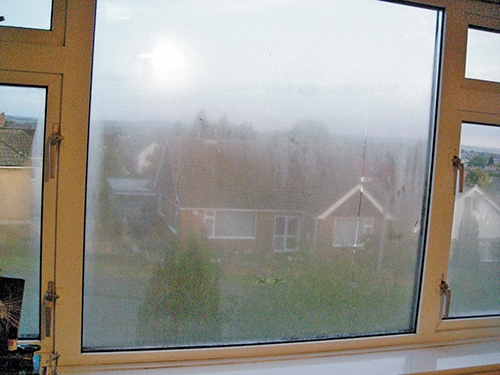
Why Condensation Forms On Windows
Older or single-glazed windows tend to let heat escape easily, which means the inside surface of the glass becomes cold. When warm, humid air touches that cold glass, the moisture condenses and forms water droplets. This is why condensation tends to appear on the inside of windows overnight, as your heating is off and the general temperature has dropped. If this process constantly repeats itself, which it will do over the cold winter months, it can lead to unwanted consequences. It can lead to dampness, mould, and even damage to window frames and walls. These are problems that are best dealt with early, before they have a serious impact.
How Double and Triple Glazing Reduce Condensation
Having double and triple glazing windows means condensation will be on the outside of your windows. This is exactly what you want, as it means you have effective glazing. If that’s not the case for you, then upgrading to double or triple glazing is an effective way to deal with condensation on the inside of your windows. Double glazing has two panes of glass separated by an insulating layer, while triple glazing adds a third pane for even greater performance. As less heat escapes, the interior pane of glass stays warmer. This means the moist air in your home is much less likely to cool and condense into water droplets. The result is a home that feels warmer in winter, cooler in summer, and noticeably drier all year round. By preventing your window glass from becoming cold, double and triple glazing can eliminate condensation inside your home. Therefore, you don’t need to waste time finding solutions every morning to temporarily solve the issue for 24 hours. Which in turn means you won’t have any long-term issues such as mould growth.
Conclusion
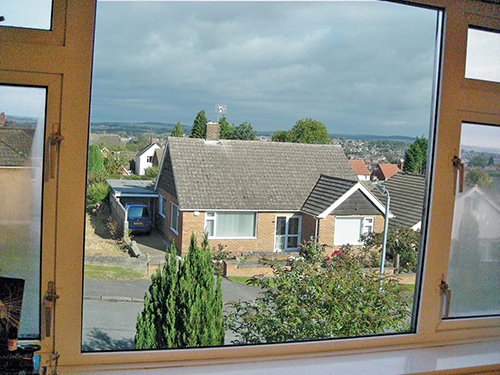
Upgrading to high-performance double or triple glazing keeps the inside glass surface warm, cutting down on condensation while improving comfort and energy efficiency. So, if you want to say goodbye to condensation, stop with temporary daily solutions, and want to enjoy all the other benefits of triple glazing windows, then it’s time to make the change.
If you want a free quote, then click here!
Call us on 01246 250600